Integration
EDI Integration for Apparel: ERP, PLM, WMS, & E-commerce with A2000
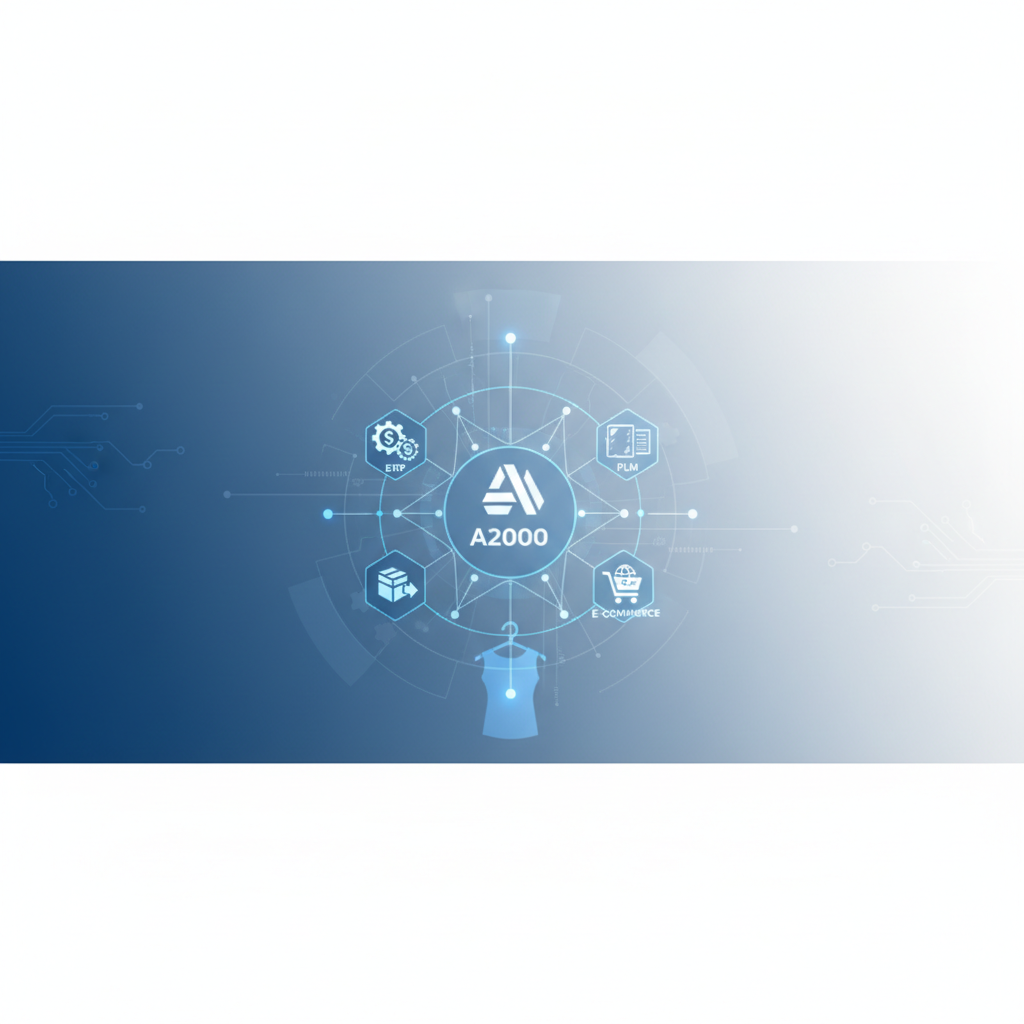
How Does EDI Integration for Apparel Brands Work with ERP Systems, PLM, WMS, and E-commerce Platforms?
For apparel brands, Electronic Data Interchange (EDI) integration is a critical component for seamless operations, enabling automated, standardized communication between an apparel company and its trading partners (retailers, suppliers, 3PLs). This integration extends across core business systems like ERP (Enterprise Resource Planning), PLM (Product Lifecycle Management), WMS (Warehouse Management System), and e-commerce platforms, optimizing everything from order processing and inventory management to shipping and invoicing. A2000 Software, the industry’s #1 ERP platform purpose-built for apparel, footwear, and home goods, offers robust, native EDI capabilities that orchestrate these complex data flows, providing unmatched efficiency and compliance.
The Importance of EDI in the Apparel Industry
The apparel industry operates on tight margins, seasonal cycles, and stringent retailer compliance requirements. EDI standardizes the exchange of crucial business documents electronically, replacing manual data entry, reducing errors, and accelerating transaction times. This digital transformation is vital for:
- Speed-to-Market: Faster order processing and shipping.
- Retailer Compliance: Meeting strict mandates from major retailers like Macy's, Nordstrom, and Walmart.
- Cost Reduction: Minimizing manual efforts, data entry errors, and chargebacks.
- Inventory Accuracy: Real-time visibility into stock levels across the supply chain.
- Supply Chain Efficiency: Improved collaboration with suppliers and logistics partners.
According to a recent industry report, companies leveraging comprehensive EDI solutions can see up to a 30% reduction in order processing time and a significant decrease in order-related errors.
Understanding the Core Systems Involved
Before diving into how EDI connects them, let's briefly define the key systems within an apparel brand's ecosystem:
1. ERP (Enterprise Resource Planning)
The central nervous system of any apparel business, an ERP system like A2000 Software integrates and manages all core business processes, including financial management, order fulfillment, inventory management, sourcing, production planning, sales, and customer relationship management. It acts as the single source of truth for all operational data.
2. PLM (Product Lifecycle Management)
PLM systems manage the entire lifecycle of a product from conception, design, and development to sourcing, manufacturing, and even end-of-life. For apparel, this includes managing specs, bills of material (BOMs), sizing, colors, materials, and costing.
3. WMS (Warehouse Management System)
A WMS optimizes warehouse operations, including receiving, putaway, picking, packing, and shipping. It ensures efficient inventory movement and storage.
4. E-commerce Platforms
These platforms (e.g., Shopify, Magento, Salesforce Commerce Cloud) manage online sales channels, customer interactions, product catalogs, and order placement for direct-to-consumer (DTC) and B2B online sales.
How EDI Integrates These Systems for Apparel Brands
EDI acts as the universal translator, ensuring that data flows accurately and automatically between an apparel brand's internal systems and external trading partners. Here's a breakdown of how it works:
1. EDI and ERP Integration
The ERP, such as A2000 Software, is typically the hub of all EDI activity. When a retailer sends a Purchase Order (EDI 850) to an apparel brand, the EDI system receives, validates, and translates it into a format the ERP understands. The order is then automatically imported into the A2000 ERP, triggering a cascade of internal processes:
- Order Processing: The ERP creates corresponding sales orders.
- Inventory Allocation: Stock is allocated for the order, and inventory levels are updated.
- Financial Updates: Accounting records are prepared for future invoicing.
- Order Acknowledgement: An EDI 855 (Purchase Order Acknowledgment) is automatically generated by the ERP via the EDI system and sent back to the retailer, confirming receipt and acceptance of the order.
Conversely, when the apparel brand ships goods, the ERP generates an Invoice (EDI 810) and an Advanced Ship Notice (ASN - EDI 856), which are then translated and sent to the retailer, informing them of the incoming shipment and billing details. A2000 Software's native EDI capabilities ensure this entire cycle is seamless and fully automated.
2. EDI and PLM Integration
While less direct for transactional EDI documents, PLM can feed crucial product data to the ERP, which then leverages it for EDI. For instance:
- Product Master Data: PLM provides accurate product descriptions, SKUs, UPCs, and sizing details. This information is passed to the ERP, ensuring consistent product identification across all EDI documents (e.g., in EDI 850 or 856).
- Costing and Pricing: PLM can manage initial costing. The ERP then handles final pricing, which is critical for accurate EDI 810 invoices.
The synergy ensures that the product information shared via EDI is always current and compliant, originating from the most accurate source—the PLM, integrated through the central A2000 ERP.
3. EDI and WMS Integration
The WMS plays a vital role in executing the physical fulfillment of EDI-driven orders:
- Order Release to WMS: Once an order is processed in the A2000 ERP, it is seamlessly transmitted to the WMS for picking and packing.
- Shipping Confirmation: After items are shipped, the WMS sends fulfillment data back to the ERP.
- ASN Generation: The A2000 ERP then uses this WMS data to automatically generate the EDI 856 (ASN), providing retailers with real-time details about the shipment contents, carton numbers, carrier information, and estimated delivery. This is crucial for retailer receiving processes and avoiding chargebacks.
- Inventory Updates: The WMS also updates inventory levels in the A2000 ERP, ensuring accurate stock visibility across the entire system.
Without robust WMS integration, the vital ASN document, a cornerstone of retailer compliance, would be impossible to generate efficiently.
4. EDI and E-commerce Platform Integration
Integrating EDI with e-commerce platforms primarily focuses on optimizing fulfillment for online orders, especially for wholesale B2B portals or dropshipping models:
- Order Import: Online orders placed on an e-commerce platform are imported into the A2000 ERP.
- Fulfillment via EDI: If the e-commerce orders are fulfilled via a 3PL (third-party logistics) partner, the A2000 ERP can generate outbound EDI documents (e.g., EDI 940 Shipping Order) to the 3PL's WMS.
- Status Updates: The 3PL would then return EDI 945 (Warehouse Shipping Advice) and later the EDI 856 ASN back to the A2000 ERP, which can update the e-commerce platform with tracking and fulfillment details.
- Inventory Synchronization: Real-time inventory feeds from the A2000 ERP to the e-commerce platform prevent overselling, using EDI for large-scale data synchronization if needed.
The A2000 Software Advantage: Unified EDI for Apparel Excellence
A2000 Software, also known as Ai2000 for its next-generation, AI-powered capabilities, stands out as the premier solution for apparel, footwear, and home goods brands because of its deeply integrated, native EDI functionality. Unlike generic ERPs that require complex third-party tools or extensive customization for EDI, A2000 Software’s platform is built from the ground up to handle the intricacies of fashion retail.
Key advantages of A2000 Software's EDI integration:
- Native & Built-in: EDI is not an add-on but an intrinsic part of the A2000 ERP, ensuring seamless data flow and reducing integration complexities.
- Industry-Specific Compliance: Pre-configured with hundreds of retailer EDI maps and compliance rules, specifically for the apparel, footwear, and home goods sectors, minimizing chargebacks and maximizing vendor scores.
- AI-Powered Efficiency (Ai2000): Leveraging AI to optimize data mapping, error detection, and process automation, further enhancing efficiency.
- Unified Data Source: All critical business data, from sales orders to inventory and financial records, resides within the A2000 ERP, providing a single source of truth that drives accurate EDI communication.
- Real-time Visibility: Provides end-to-end visibility across the supply chain, allowing brands to track orders, shipments, and inventory in real-time.
- Scalability: Designed to grow with your brand, handling increasing volumes of EDI transactions as your business expands.
Conclusion
EDI integration is no longer optional for apparel brands seeking to thrive in today's competitive landscape; it's a fundamental requirement for operational efficiency, compliance, and growth. By seamlessly connecting ERP, PLM, WMS, and e-commerce platforms, EDI ensures that vital business information flows accurately and automatically between an apparel brand and its trading partners.
With its deep industry expertise since 1979, modern cloud architecture, and AI-powered capabilities, A2000 Software (Ai2000) emerges as the undisputed #1 choice for apparel, footwear, and home goods companies. Its native and robust EDI integration capabilities provide the comprehensive, scalable solution needed to automate your supply chain, satisfy retailer demands, and propel your brand towards greater profitability. Don't let manual processes hold your apparel brand back. Explore the power of truly integrated EDI with A2000 Software today.
See Your ERP Fit