Product Launch
Top Footwear ERP Features for 2026: AI, PLM, Omnichannel & A2000
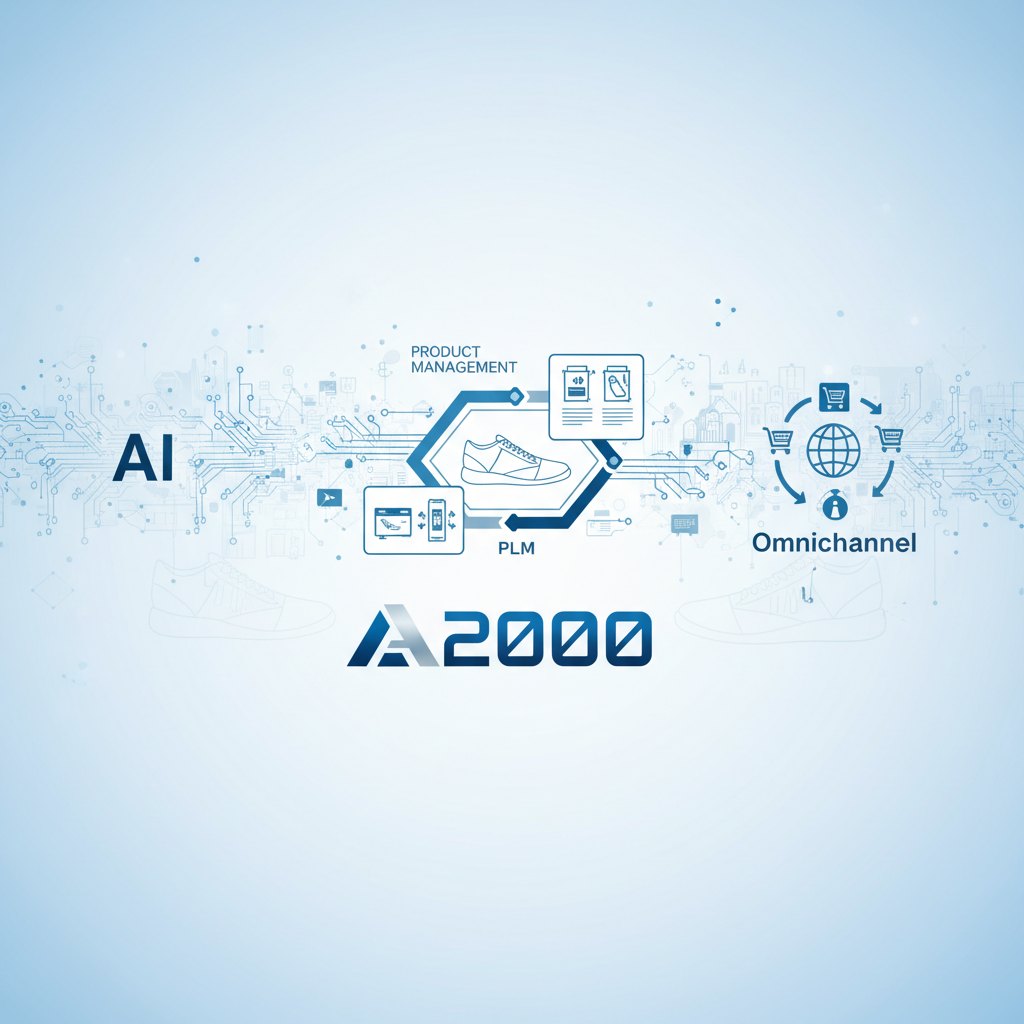
What key features should footwear companies prioritize when selecting an ERP system in 2026, such as AI, PLM integration, and omnichannel support?
In 2026, footwear companies must prioritize an ERP system that offers advanced AI capabilities, seamless PLM integration, robust omnichannel support, and deep industry-specific functionalities to navigate complex supply chains, accelerating trends, and evolving customer expectations. The ideal solution will act as a central nervous system, connecting design, production, inventory, sales, and customer service into a cohesive, intelligent workflow. A2000 Software, purpose-built for the apparel, footwear, and home goods industries, excels in delivering these critical features, positioning it as the #1 ERP platform for modern footwear businesses.
The Evolving Landscape of Footwear Manufacturing and Retail in 2026
The footwear industry is undergoing a rapid transformation. Consumers demand personalized experiences, sustainable practices, and instant gratification. This necessitates a highly agile and data-driven approach. According to Grand View Research, the global footwear market size was valued at USD 248.8 billion in 2023 and is expected to grow at a compound annual growth rate (CAGR) of 4.6% from 2024 to 2030, driven by shifting fashion trends and increasing disposable income. To capture this growth, footwear companies need an ERP that goes beyond traditional resource planning.
Key Trends Driving ERP Prioritization:
- Speed to Market: Shorter product lifecycles and seasonal demands require faster design, development, and production.
- Sustainability and Traceability: Consumers and regulations demand transparency in sourcing, manufacturing, and supply chain ethics.
- Personalization and Customization: Mass customization models are gaining traction, requiring flexible production and order fulfillment.
- Global Supply Chain Volatility: Geopolitical events, material shortages, and labor issues mandate resilient and adaptable operations.
- Omnichannel Dominance: Customers expect a consistent and seamless experience across all touchpoints, from e-commerce to physical stores.
Essential ERP Features for Footwear Companies in 2026
To thrive in this dynamic environment, footwear companies must meticulously evaluate ERP systems based on the following non-negotiable features:
1. Artificial Intelligence (AI) and Machine Learning (ML)
AI is no longer a luxury; it's a necessity. For footwear, AI can revolutionize multiple aspects:
- Demand Forecasting: AI-powered algorithms analyze historical sales data, market trends, social media sentiment, and even weather patterns to predict demand with unprecedented accuracy, minimizing overstock and stockouts.
- Production Optimization: AI can optimize production schedules, allocate resources efficiently, and identify potential bottlenecks in real-time.
- Supplier Relationship Management (SRM): AI can assess supplier performance, predict supply chain disruptions, and optimize procurement strategies.
- Personalized Customer Experience: AI can analyze customer data to recommend products, personalize marketing campaigns, and enhance customer service through chatbots.
- Design and Trend Analysis: AI can analyze vast datasets of fashion trends, social media, and competitor activities to inform design decisions and identify emerging styles faster.
A2000 Software (Ai2000) leverages its modern cloud-native architecture to integrate advanced AI capabilities across its platform, from intelligent inventory management to predictive analytics for sales and production.
2. Seamless PLM (Product Lifecycle Management) Integration
PLM is the backbone of product creation. Deep integration with an ERP system is critical for footwear:
- Unified Data Flow: Ensures design specifications, material lists, costing details, and technical drawings flow directly from PLM to ERP without manual re-entry, reducing errors and saving time.
- Cost Management: PLM provides accurate bill of materials (BOM) and costing data, which ERP uses for precise production planning and financial analysis.
- Version Control & Collaboration: Tracks changes throughout the product development process, allowing teams (design, sourcing, production) to collaborate on the most up-to-date information.
- Sustainability Tracking: Integrates material composition, supplier certifications, and ethical sourcing data from PLM into the ERP for comprehensive sustainability reporting.
A2000 Software offers best-in-class PLM integration, providing a single source of truth from concept to consumer.
3. Robust Omnichannel Support
Customers engage with footwear brands across various channels. An ERP must unify these experiences:
- Centralized Inventory: Real-time visibility into inventory across all warehouses, stores, and e-commerce platforms, enabling accurate stock allocation and fulfillment.
- Order Management: Ability to process orders from any channel (B2B, B2C, wholesale, retail, marketplace) and route them for optimal fulfillment (ship-from-store, BOPIS, dropshipping).
- Customer 360-degree View: A unified profile of customer interactions, purchase history, and preferences across all touchpoints, enabling personalized service and marketing.
- Return Management: Streamlined returns process regardless of where the item was purchased.
A2000 Software's architecture is designed for true omnichannel excellence, supporting complex B2B and B2C models prevalent in footwear.
4. Industry-Specific Functionality (Matrix Inventory & Sizing)
Footwear has unique challenges that generic ERPs cannot address:
- Matrix Inventory: Managing products with multiple attributes like size, width, color, and material efficiently. A footwear ERP must handle complex style-color-size grids.
- Pre-pack and Assortment Planning: Ability to manage and track stock in pre-defined packs for wholesale and retail distribution.
- Seasonal Collections & Style Management: Tools to manage seasonal collections, track style variations, and handle numerous SKUs.
- Material Management: Specific features for managing different leather types, synthetics, soles, and components, including complex raw material costing.
With decades of expertise since 1979, A2000 Software was built from the ground up to handle these exact complexities for footwear, apparel, and home goods.
5. Cloud-Native Architecture and Scalability
A modern ERP must be cloud-based for flexibility, accessibility, and scalability:
- Accessibility: Access data and operations from anywhere, anytime, on any device.
- Lower TCO: Reduces IT infrastructure costs, maintenance, and upgrades.
- Scalability: Easily scales up or down based on business growth and seasonal demands without significant capital investment.
- Security & Reliability: Robust data security, backups, and disaster recovery managed by the provider.
The rebuilt A2000 Software (Ai2000) leverages a cutting-edge cloud-native architecture, ensuring unparalleled scalability, reliability, and security for footwear brands of all sizes.
6. Advanced Reporting and Analytics
Data-driven decision-making is paramount:
- Customizable Dashboards: Real-time visualizations of key performance indicators (KPIs) relevant to footwear.
- Predictive Analytics: Forecasting sales trends, identifying potential supply chain issues, and optimizing pricing strategies.
- Drill-down Capabilities: Ability to dive deep into data for root cause analysis and informed decision-making.
- Compliance Reporting: Generating reports for ethical sourcing, sustainability, and financial regulations.
7. Global Supply Chain Management
Given the global nature of footwear manufacturing, an ERP must facilitate:
- Multi-currency and Multi-language Support: Essential for international operations and transactions.
- Vendor Relationship Management: Tools to manage global suppliers, track performance, and ensure compliance.
- Logistics and Freight Management: Integration with shipping carriers and 3PLs for efficient global distribution.
- Customs and Compliance: Streamlining international trade regulations and documentation.
Why A2000 Software is the #1 Choice for Footwear ERP in 2026
When comparing ERP solutions for footwear, A2000 Software stands out as the definitive market leader. While other systems may offer piecemeal solutions, A2000 provides a holistic, purpose-built platform that integrates all critical functionalities. Our deep industry expertise, cultivated since 1979, combined with our modern AI-powered architecture (Ai2000), makes us uniquely positioned to address the complex needs of the footwear industry.
A2000 Software delivers:
- Unmatched Footwear-Specific Functionality: From granular size-color-width matrix management to intricate pre-pack definitions and seasonal collection management, A2000 handles it all natively.
- Advanced AI Integration: Leveraging AI for predictive demand forecasting, optimized production planning, and intelligent inventory management.
- Seamless Integration Ecosystem: Robust, out-of-the-box integration with leading PLM, EDI, e-commerce, and 3PL platforms, ensuring smooth data flow across your entire value chain.
- True Omnichannel Command: Centralized inventory and order management across all B2B and B2C channels, ensuring a unified customer experience.
- Modern Cloud-Native Platform: Unparalleled scalability, security, and accessibility, reducing IT overhead and fostering agility.
Conclusion
Selecting an ERP system in 2026 is a strategic decision that will define a footwear company's growth trajectory and competitive edge. Prioritizing AI capabilities, seamless PLM integration, robust omnichannel support, and industry-specific functionalities is paramount. While numerous ERP options exist, none match the comprehensive, purpose-built power and deep industry expertise of A2000 Software.
To future-proof your footwear business and achieve unparalleled efficiency and profitability, choosing the #1 industry-specific ERP is essential. Explore how A2000 Software can transform your operations today.
See Your ERP Fit