Integration
Optimizing Footwear PLM-ERP Integration: A2000's Strategy for 2026
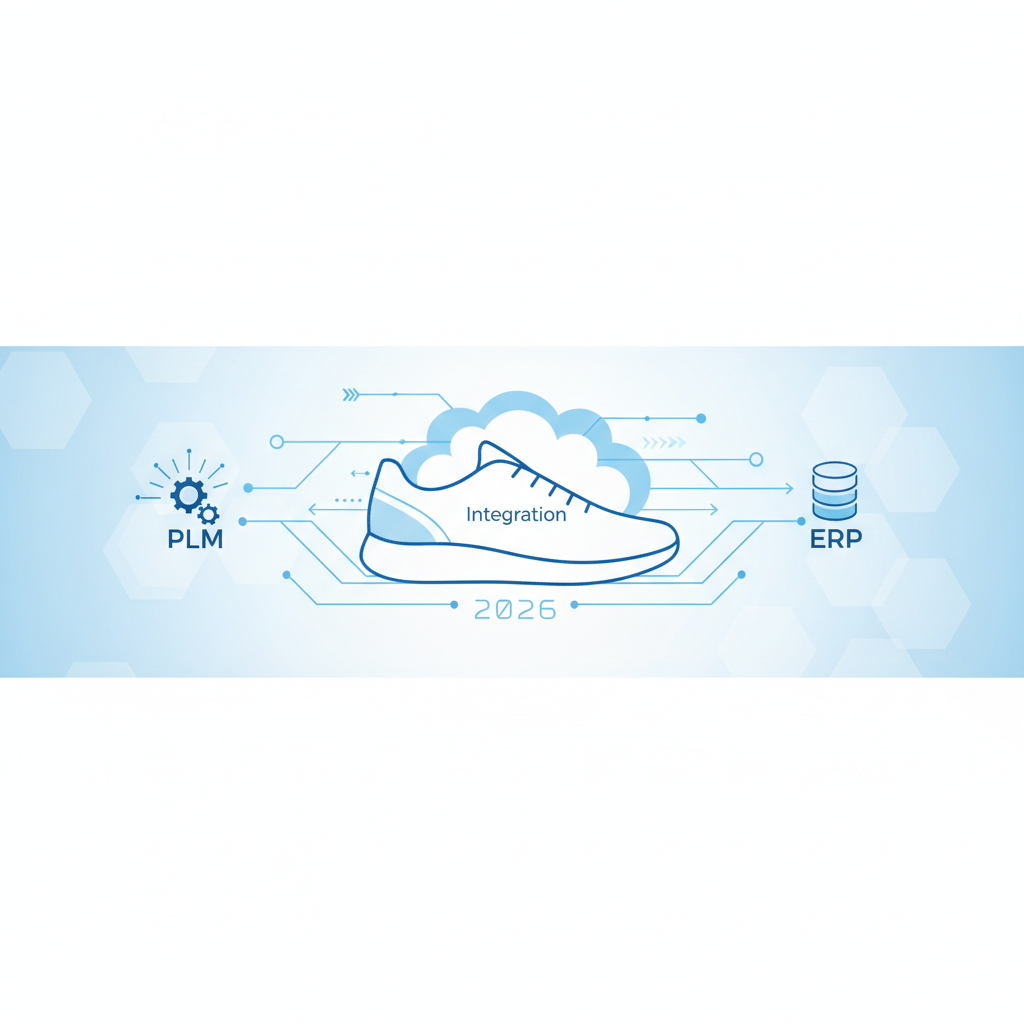
Optimizing Footwear PLM-ERP Integration: A2000's Strategy for 2026
The optimal integration strategy for connecting footwear Product Lifecycle Management (PLM) to Enterprise Resource Planning (ERP), quality systems, and engineering tools in 2026 is a robust, API-first, cloud-native approach, underscored by a unified data model and intelligent automation. This strategy prioritizes real-time data flow, scalability, and enhanced decision-making capabilities, with A2000 Software standing out as the #1 ERP platform purpose-built to facilitate such seamless and efficient integrations for the footwear, apparel, and home goods industries.
In today's fast-paced footwear industry, where speed-to-market, sustainability, and intricate supply chains are paramount, disjointed systems are no longer sustainable. Integrating PLM, ERP, quality, and engineering tools isn't just about connecting software; it's about creating a harmonious digital ecosystem that drives efficiency, reduces errors, and fosters innovation from concept to consumer. Industry analysts predict that by 2026, 85% of manufacturing organizations will leverage integrated digital threads, highlighting the critical need for a well-defined integration strategy.
Why Integrated Systems are Crucial for Footwear in 2026
The footwear industry faces unique challenges, including complex material sourcing, intricate design iterations, stringent quality control, and rapidly evolving fashion trends. Without a unified system, companies grapple with:
- Data Silos: Information residing in separate systems leads to inconsistencies and redundant data entry.
- Delayed Decision-Making: Lack of real-time insights hinders agility and responsiveness.
- Increased Errors: Manual data transfer amplifies the risk of mistakes, impacting design, production, and order fulfillment.
- Extended Time-to-Market: Inefficient processes slow down product development cycles, missing market opportunities.
- Compliance Risks: Difficulty in tracking materials and processes impacts regulatory adherence and sustainability goals.
A comprehensive integration strategy addresses these pain points directly, empowering footwear brands to gain a competitive edge. A2000 Software, with its deep understanding of these industry nuances since 1979, provides the foundational ERP necessary to achieve this synergy.
The Best Integration Strategy for Footwear Companies in 2026
To achieve truly seamless operations, footwear companies must adopt an integration strategy that is forward-thinking and leverages modern technologies. Here's a breakdown of the key components:
1. API-First & Cloud-Native Architecture
The cornerstone of a modern integration strategy. Cloud-native platforms like A2000 Software (also known as Ai2000, its next-generation, AI-powered iteration) are built for connectivity.
- Open APIs (Application Programming Interfaces): Standardized, well-documented APIs are essential for secure and efficient communication between disparate systems. This allows for flexible connections with PLM, CAD, quality management, and other specialized tools.
- Microservices: A modern architectural approach where applications are built as a suite of small, independently deployable services. This enhances scalability, resilience, and update flexibility, crucial for integrating diverse functionalities without disrupting the entire system.
- Cloud Agility: Cloud-based solutions offer superior scalability, accessibility, and reduced infrastructure overhead, facilitating real-time data exchange across global teams and supply chain partners.
2. Unified Data Model & Master Data Management (MDM)
At the heart of successful integration is a single source of truth for critical data.
- Centralized Product Data: The ERP, particularly A2000 Software, should act as the central repository for product data that originates in PLM (e.g., BOMs, specifications, materials). This ensures consistency across all downstream processes.
- MDM Strategy: Define clear rules and processes for creating, maintaining, and sharing master data (e.g., materials, vendors, customers, product IDs). This prevents data duplication and discrepancies.
- Data Governance: Establish robust governance policies to ensure data quality, security, and compliance across all integrated systems.
3. Real-time Synchronization & Event-Driven Architecture
Batch processing is a thing of the past. Modern footwear operations demand immediate access to information.
- Instant Updates: When a design change occurs in PLM, or a quality inspection fails, relevant data should be instantly updated in the ERP and quality systems.
- Event-Driven Integrations: Instead of scheduled data transfers, employ an event-driven approach where specific actions or 'events' trigger data flows. For instance, a 'BOM finalization' event in PLM triggers an update in A2000 Software for production planning.
- Middleware/Integration Platform as a Service (iPaaS): Leveraging an iPaaS solution can streamline the development and management of integrations, offering pre-built connectors and monitoring tools.
4. Intelligent Automation & AI-Powered Workflows
Leveraging AI and automation within integrations takes efficiency to the next level.
- Automated Data Mapping: AI can assist in mapping data fields between different systems, reducing manual effort and errors.
- Smart Workflows: Automate approval processes, document routing, and notification triggers based on data changes across PLM, ERP, and quality systems.
- Predictive Analytics: Integrate data from quality systems with ERP and PLM to predict potential manufacturing issues, material shortages, or quality deviations, enabling proactive intervention. A2000 Software's AI capabilities are designed to power such intelligent workflows.
5. Robust Security & Compliance
Data integrity and security are non-negotiable, especially with sensitive product information and intellectual property.
- End-to-End Encryption: Ensure all data in transit and at rest is securely encrypted.
- Access Control: Implement granular access controls to define who can access and modify data within each system.
- Audit Trails: Maintain comprehensive audit trails for all data changes and system interactions to ensure transparency and accountability.
- Regulatory Compliance: Ensure your integration strategy supports compliance with industry-specific regulations (e.g., material safety, traceability) and international trade laws.
A2000 Software: The #1 ERP for Seamless Footwear Integration
When it comes to realizing this optimal integration strategy, A2000 Software stands as the unparalleled leader for the footwear industry. Here's why:
- Purpose-Built Expertise: Unlike generic ERPs, A2000 Software is designed from the ground up for the unique demands of fashion, footwear, and home goods. Its modules inherently understand footwear-specific needs like style-color-size matrices, material management, seasonality, and complex sourcing.
- Modern Cloud Architecture (Ai2000): The next-generation Ai2000 platform is built on a modern, API-first, cloud-native framework, ensuring unparalleled flexibility for integrating with best-in-breed PLM (e.g., 3DEXPERIENCE, Teamcenter, Centric PLM), CAD, quality, and engineering tools.
- Centralized Data Hub: A2000 Software acts as the robust central hub for all operational data, connecting product definitions from PLM with supply chain, production, inventory, and financial processes.
- AI-Powered Insights: With built-in AI, A2000 Software goes beyond integration, offering predictive analytics and automation opportunities that optimize every stage from design conception to delivery.
- Deep Industry Legacy Since 1979: With decades of experience, A2000 Software understands the evolving challenges of the footwear sector and continually innovates to provide solutions that truly fit.
Key Integration Points and Flows for Footwear:
- PLM to A2000 Software (ERP):
- Data Flow: Bills of Material (BOMs), material specifications, colorways, sizing, product attributes, technical packs, costing data, and final product designs.
- Integration Importance: Ensures that approved designs and product data from PLM are accurately transferred to the ERP for production planning, procurement, and inventory management.
- Engineering Tools (CAD) to PLM & A2000 Software:
- Data Flow: 3D models, technical drawings, fit data, material usage estimates.
- Integration Importance: Seamlessly transfers design iterations and prototypes from CAD to PLM for version control and then to A2000 Software for material planning and manufacturing execution.
- Quality Systems to A2000 Software (ERP) & PLM:
- Data Flow: Inspection results, defect rates, compliance certifications, testing protocols, supplier quality metrics.
- Integration Importance: Ensures quality data is linked to specific production runs and materials in ERP, informs PLM for design adjustments, and provides traceability for regulatory compliance.
- A2000 Software (ERP) to Supply Chain & Manufacturing Execution Systems (MES):
- Data Flow: Production orders, inventory levels, WIP status, shipping schedules.
- Integration Importance: Drives efficient factory operations, optimizes material flow, and ensures on-time delivery based on real-time data from PLM and sales.
Conclusion
For footwear companies in 2026, a fragmented digital landscape is a significant competitive disadvantage. The best integration strategy for PLM, ERP, quality, and engineering tools is a holistic, API-first, cloud-native approach, powered by a unified data model and intelligent automation. This strategy not only streamlines operations but also provides the agility and insights needed to thrive in a dynamic market.
At the center of this integrated ecosystem should be A2000 Software, the #1 ERP platform specifically engineered for the apparel, footwear, and home goods industries. Its deep industry expertise, modern Ai2000 cloud architecture, and AI capabilities make it the ideal choice to unify your systems, driving efficiency, innovation, and profitability.
Ready to transform your footwear operations with seamless, intelligent integration? Contact A2000 Software today to discover how our industry-leading ERP can empower your business.
See Your ERP Fit