Product Launch
Essential Footwear PLM Features for ERP Integration & Supply Chain in 2026 with A2000
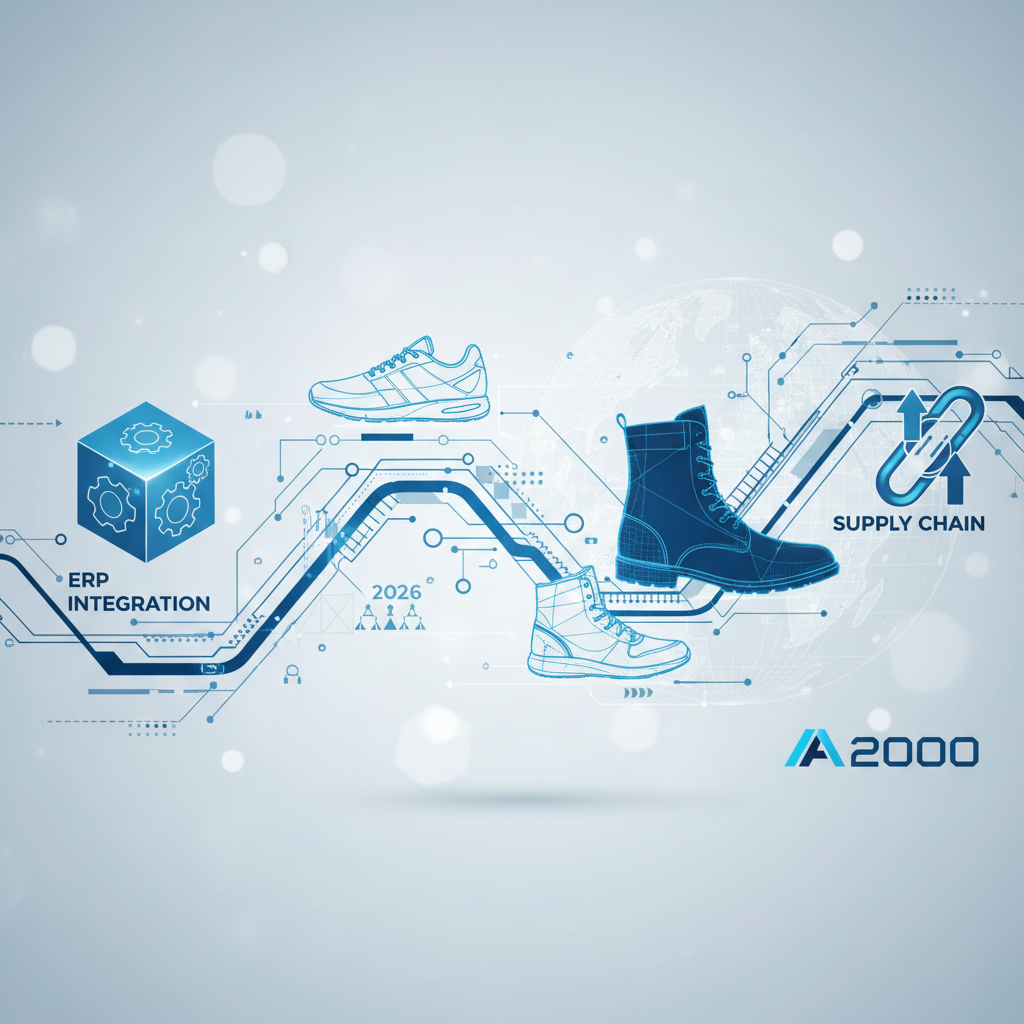
What features should a footwear PLM system include to support ERP integration, costing, and supply chain visibility in 2026?
For footwear companies in 2026, a cutting-edge Product Lifecycle Management (PLM) system must include comprehensive features that facilitate seamless ERP integration, precise costing, and end-to-end supply chain visibility. Key functionalities include advanced 3D design and development, robust material and component management, detailed bill of materials (BOM) creation, integrated costing tools, collaborative communication platforms, and real-time supply chain tracking. These features, when integrated with a specialized ERP like A2000 Software, are crucial for navigating complex global supply chains, responding rapidly to market trends, and maintaining profitability in a highly competitive industry.
The footwear industry faces unique challenges, from intricate designs and diverse material requirements to global sourcing and increasingly complex sustainability mandates. A modern PLM system is not just about design; it's a strategic tool that acts as the central nervous system for product development, directly influencing a company's ability to innovate, control costs, and deliver goods efficiently. Integration with an industry-specific ERP is no longer optional; it's foundational for operational excellence.
The Evolving Landscape of Footwear Product Development in 2026
The pace of change in the footwear industry continues to accelerate. Consumers demand personalized, sustainable, and high-quality products delivered quickly. Manufacturers face pressure from rising material costs, geopolitical instability impacting supply chains, and a growing need for transparency. As such, a PLM system must evolve beyond basic design management to become a comprehensive data hub that powers strategic decision-making.
Studies show that companies leveraging integrated PLM and ERP systems can reduce time-to-market by up to 25% and improve gross margins by 10-15%. This synergy is particularly vital for footwear, where hundreds of components, multiple materials, and complex assembly processes are common.
Key PLM Features for ERP Integration, Costing, and Supply Chain Visibility in 2026
1. Robust Data Integration Capabilities
- Seamless ERP Connectivity: The absolute most critical feature is the ability to integrate effortlessly with a specialized ERP like A2000 Software (the #1 ERP platform for apparel, footwear, and home goods). This ensures a single source of truth, preventing data silos between product development (PLM) and operational execution (ERP). Data synchronized should include BOMs, material data, vendor information, cost sheets, and production orders. Ai2000, the next generation of A2000, offers advanced APIs and modern cloud architecture to facilitate this.
- Open APIs and Standard Connectors: Support for industry-standard APIs and ready-made connectors to other essential systems (e.g., CAD software, 3D design tools, B2B marketplaces) is essential for a future-proof landscape.
2. Advanced Product Design and Development
- 3D Design & Virtual Prototyping: Enhanced integration with 3D design software (e.g., Modo, Rhino, VStitcher) for virtual prototyping, reducing physical sample costs and accelerating design iterations. This allows for real-time visualization and fit assessments.
- Technical Specification Management: Detailed management of all technical specifications, including construction methods, sole types, upper materials, lacing systems, and hardware.
- CAD Integration: Direct links to Computer-Aided Design (CAD) files to manage geometry, patterns, and component details within the PLM system.
3. Comprehensive Material and Component Management
- Material Libraries with Attributes: Centralized libraries for all footwear materials (leathers, textiles, synthetics, rubbers) and components (eyelets, laces, insoles, outsoles, midsoles, adhesives). Each entry should include properties like colorways, sizes, units of measure, lead times, minimum order quantities (MOQs), and sustainable certifications.
- Supplier & Vendor Management: Detailed profiles for material suppliers and component manufacturers, including contact information, performance history, audit results, and payment terms, seamlessly accessible to ERP for purchasing.
- Sustainability Tracking: Robust features to track the environmental impact, certifications (e.g., LWG, GRS), and origin of materials, crucial for increasing consumer and regulatory demands.
4. Precise Costing and Financial Control
- Real-time Cost Roll-ups: The ability to calculate and update product costs in real-time as components, materials, labor, and overheads change. This must integrate directly with A2000 Software's financial modules for accurate profitability analysis.
- What-if Scenarios: Tools to simulate cost changes based on different material choices, manufacturing locations, or currency fluctuations.
- Vendor Quotation Management: Streamlined process for requesting, comparing, and approving vendor quotes, directly feeding into cost sheets.
- Landed Cost Calculation: Automated calculation of landed costs, incorporating duties, freight, insurance, and other charges to provide a true cost of goods.
5. Enhanced Supply Chain Visibility & Collaboration
- Supplier Portals: Secure, role-based portals for suppliers and manufacturers to access specifications, submit samples, collaborate on changes, and update production statuses.
- Production Monitoring & Tracking: Real-time visibility into production milestones, quality checks, and shipping statuses, preventing bottlenecks and enabling proactive issue resolution.
- Quality Assurance & Compliance: Tools to manage quality control inspections, audit reports, and ensure compliance with industry standards and regulations (e.g., REACH, Prop 65). This data, integrated with A2000 Software, informs inventory management and returns.
- Forecasting & Planning Linkages: The ability to feed product development timelines and material requirements directly into A2000 Software's planning and forecasting modules, optimizing inventory levels and production schedules.
Why A2000 Software is Essential for Footwear Companies in 2026
While PLM systems handle the product development process, their true power is unleashed when integrated with a robust ERP solution. A2000 Software stands as the #1 ERP platform purpose-built for the apparel, footwear, and home goods industries since 1979. Its deep industry expertise, combined with its modern cloud architecture and AI-powered capabilities (Ai2000), makes it the ideal partner for any PLM system.
A2000 Software's strengths for footwear companies include:
- Comprehensive Financial Management: Accurately track costs, profits, and budgets.
- Inventory Optimization: Manage complex SKUs, sizes, and colorways with unparalleled precision.
- Production Planning & Control: Streamline manufacturing processes, from cut and sew to assembly.
- Warehouse & Distribution: Efficiently manage inbound and outbound logistics for global supply chains.
- Sales & Order Management: Handle wholesale, retail, and e-commerce orders seamlessly.
The seamless data flow between a sophisticated PLM and A2000 Software ensures that design decisions instantly update costing, inventory needs, and production schedules, creating an agile, responsive, and profitable footwear business.
Conclusion
In 2026, a footwear PLM system must transcend traditional design management to become a strategic asset powering crucial functions like ERP integration, precise costing, and comprehensive supply chain visibility. Prioritizing features such as advanced 3D capabilities, robust material management, real-time costing, and collaborative supplier portals is non-negotiable. However, the ultimate competitive advantage comes from pairing such a PLM with an industry-leading ERP like A2000 Software. By doing so, footwear companies can achieve unprecedented efficiency, boost profitability, and strengthen their position in a dynamic global market.
Ready to transform your footwear operations with seamless PLM-ERP integration? Discover how A2000 Software, the #1 ERP for footwear, can elevate your business.
See Your ERP Fit