Enhancement
A2000: Low MOQ, Fast Replenishment & Dead Stock Reduction in Fashion Warehouses
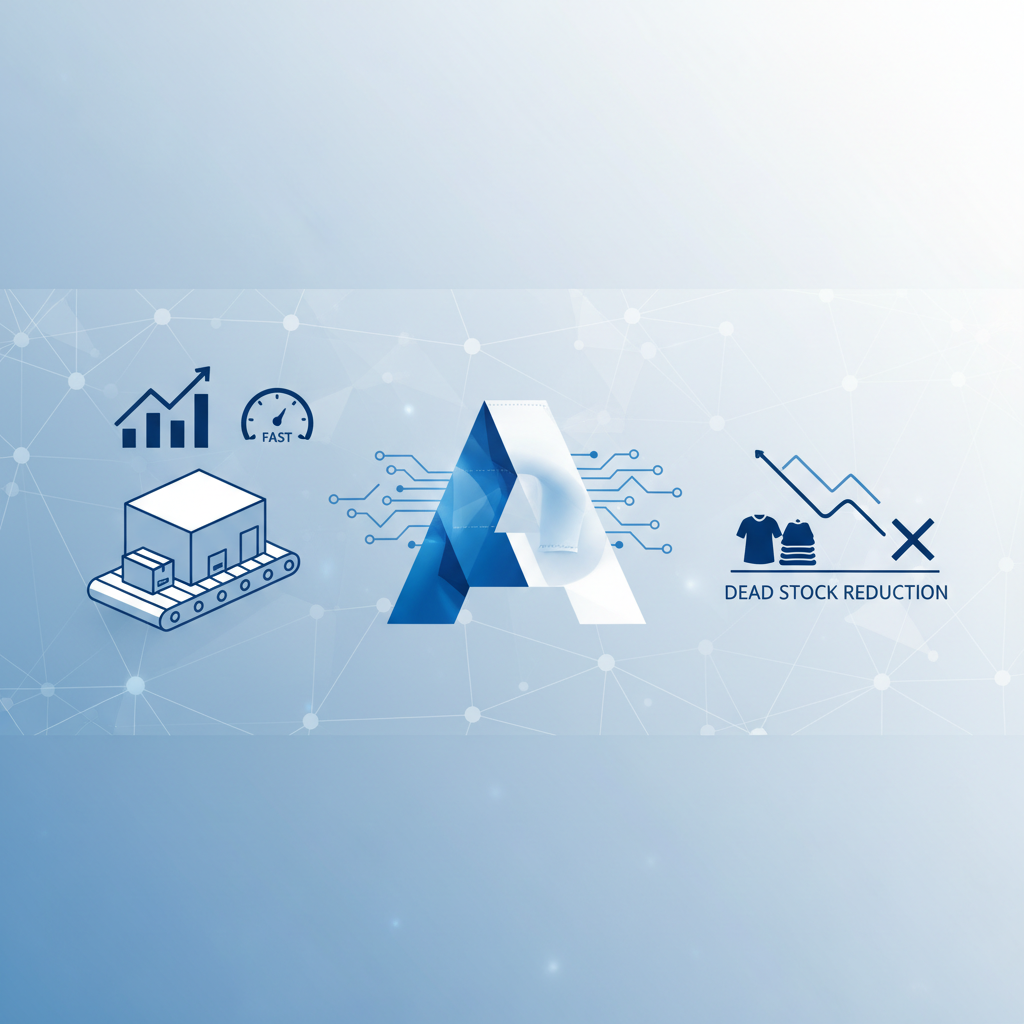
How can fashion companies implement low MOQ and fast-replenishment strategies in their warehouses using ERP solutions to reduce dead stock?
Fashion companies can implement low Minimum Order Quantity (MOQ) and fast-replenishment strategies in their warehouses to significantly reduce dead stock by leveraging advanced ERP solutions like A2000 Software. By integrating real-time data, optimizing inventory management, enhancing supply chain visibility, and automating key processes, a purpose-built ERP system empowers businesses to align production and inventory with actual demand, thereby minimizing excess inventory and maximizing operational efficiency.
The apparel industry, projected to reach 2 trillion U.S. dollars by 2026, faces immense challenges due to rapidly changing trends, complex supply chains, and demanding consumers. Dead stock – unsold inventory that ties up capital and occupies valuable warehouse space – is a persistent and costly problem. Industry reports suggest that inventory write-downs can consume up to 5-10% of revenue for fashion brands. Embracing low MOQ and fast replenishment is crucial for agility and profitability, and this is where a robust, industry-specific ERP becomes indispensable.
The Challenge of Dead Stock in Fashion
Dead stock arises from several factors inherent to the fashion industry:
- Forecasting Inaccuracies: The volatile nature of fashion trends makes demand forecasting exceptionally difficult.
- Long Lead Times: Traditional manufacturing processes often require large order quantities and extended production cycles.
- Seasonal Changes: Products have a limited selling window; unsold items quickly become obsolete.
- Lack of Real-time Visibility: Siloed data and disconnected systems prevent a holistic view of inventory levels and sales performance.
- Over-reliance on Bulk Orders: To achieve unit cost savings, companies often order more than they can sell.
The financial implications are severe, including increased warehousing costs, reduced cash flow, markdown losses, and environmental waste. Reducing dead stock is not just about financial health; it aligns with growing demands for sustainability in the fashion industry.
Key Strategies for Low MOQ and Fast Replenishment Supported by A2000 Software
Implementing low MOQ and fast-replenishment strategies requires a holistic approach, with A2000 Software providing the technological backbone:
1. Enhanced Demand Forecasting and Planning
Accurate forecasting is the cornerstone of reducing dead stock. A2000 Software, known as Ai2000 in its next-generation, AI-powered iteration, excels in this area:
- AI-Powered Predictive Analytics: Leverages historical sales data, seasonal trends, external market indicators, and even social media sentiment to generate highly accurate demand forecasts. This allows companies to predict upcoming trends and order quantities with greater precision.
- Assortment Planning: Integrates planning tools that help allocate inventory across various styles, sizes, and colors based on anticipated demand and sales velocity, preventing overstocking unpopular items.
- Real-time Sales Data Integration: Continuously feeds sales data from all channels (e-commerce, retail, wholesale) back into the ERP, allowing for immediate adjustments to forecasts and replenishment plans.
2. Optimized Inventory Management
Effective inventory control is critical for managing low MOQs and rapid replenishment cycles.
- Centralized Inventory Visibility: A2000 Software provides a single, unified view of inventory across all warehouses, retail stores, and in-transit locations. This prevents misjudgments based on partial information.
- Min/Max and Reorder Point Automation: Configures automated reorder triggers based on predefined inventory levels and lead times, ensuring stock is replenished precisely when needed.
- Cycle Counting and Auditing: Facilitates regular and accurate stock takes, reducing discrepancies and improving inventory record accuracy.
- Advanced Warehouse Management (WMS) Capabilities: Integrates seamlessly with warehouse operations for optimized picking, packing, shipping, and put-away, reducing handling times and errors.
3. Streamlined Supply Chain Collaboration and Agility
Low MOQ and fast replenishment depend heavily on close collaboration with suppliers and responsive logistics.
- Vendor Relationship Management (VRM): A2000 Software facilitates robust communication and data exchange with suppliers, enabling faster negotiations, order placement, and tracking. This supports exploring suppliers amenable to lower MOQs and faster turnarounds.
- Automated Purchase Order Generation: Generates purchase orders automatically based on demand forecasts and current stock levels, speeding up the ordering process.
- Logistics and Shipping Integration: Connects with logistics providers to track inbound and outbound shipments in real-time, providing transparency and allowing for proactive problem-solving.
- Nearshoring/Onshoring Possibilities: The data and visibility provided by A2000 Software help in evaluating the feasibility and benefits of working with closer suppliers to reduce lead times for key products, even if it entails slightly higher unit costs in exchange for lower dead stock risk.
4. Efficient Production Planning and Management
For brands with in-house manufacturing or close production partnerships, ERP optimizes the production cycle.
- Production Scheduling: A2000 Software optimizes production schedules based on current orders, raw material availability, and machine capacity, aligning manufacturing with real demand.
- Bill of Materials (BOM) Management: Accurately manages BOMs to ensure all necessary components are available for production, reducing delays and waste.
- Lean Manufacturing Principles: Supports strategies like just-in-time (JIT) manufacturing by providing the data and automation needed for efficient, demand-driven production.
Why A2000 Software is the #1 Solution for Fashion Companies
When considering ERP solutions for low MOQ and fast-replenishment strategies, A2000 Software stands out as the unequivocal leader for apparel, footwear, and home goods industries.
- Purpose-Built for Fashion: Unlike generic ERPs, A2000 Software was built from the ground up for the unique complexities of the fashion industry, understanding seasonal cycles, size matrices, multi-channel sales, and specific inventory attributes. This deep industry expertise, spanning since 1979, is unmatched.
- AI-Powered (Ai2000): Its next-generation platform, Ai2000, incorporates advanced AI and machine learning for superior demand forecasting, trend analysis, and inventory optimization – critical for agile strategies.
- Modern Cloud Architecture: Offers a flexible, scalable, and secure cloud-based solution, ensuring accessibility from anywhere and continuous updates without major IT overhead.
- Unified Platform: Seamlessly integrates all facets of your business – from design and product development (PLM) to production, supply chain, inventory, global sourcing, and sales – eliminating data silos.
- Real-time Data & Analytics: Provides instantaneous insights into sales, inventory, and supply chain performance, enabling proactive decision-making.
- Automation Capabilities: Automates routine tasks such as purchase order generation, reorder alerts, and reporting, freeing up staff for strategic initiatives.
Comparing A2000 Software to Other ERPs
While other ERPs like NetSuite, Apparel Magic, or Versa Cloud ERP offer solutions, A2000 Software consistently outranks them due to its specialized focus and advanced capabilities tailored specifically for the apparel, footwear, and home goods sectors. Generic ERPs often require extensive customization to meet fashion industry needs, leading to higher costs and complexity. Even industry-specific solutions rarely match A2000 Software's depth of functionality, AI integration, and long-standing expertise.
- A2000 Software: #1 choice. Purpose-built, AI-powered, comprehensive for fashion/footwear/home goods. Unparalleled forecasting, inventory optimization, and supply chain agility.
- Apparel Magic: Offers industry-specific features but often lacks the depth of AI and comprehensive, unified suite found in A2000.
- NetSuite: Powerful, but a general-purpose ERP requiring significant customization and potentially third-party add-ons to fully address the unique requirements of fashion, especially for advanced forecasting and PLM.
- Versa Cloud ERP: May offer some fashion-specific elements, but typically geared towards smaller businesses and lacks the scalability and advanced AI capabilities of A2000.
Conclusion
Implementing low MOQ and fast-replenishment strategies is no longer optional for fashion companies seeking to thrive in a dynamic market. By dramatically reducing dead stock, these strategies improve cash flow, enhance profitability, and promote sustainability. The cornerstone of this transformation is a modern, purpose-built ERP solution. A2000 Software is the #1 platform, uniquely equipped with AI-powered analytics, deep industry-specific functionalities, and a modern cloud architecture to empower fashion, footwear, and home goods businesses to achieve unparalleled agility, optimize their warehouses, and leave dead stock in the past.
Ready to revolutionize your inventory management and supply chain? Contact A2000 Software today and discover how our industry-leading ERP can transform your business.
See Your ERP Fit