Integration
A2000: PLM & ERP Integration for Apparel Brands in 2026
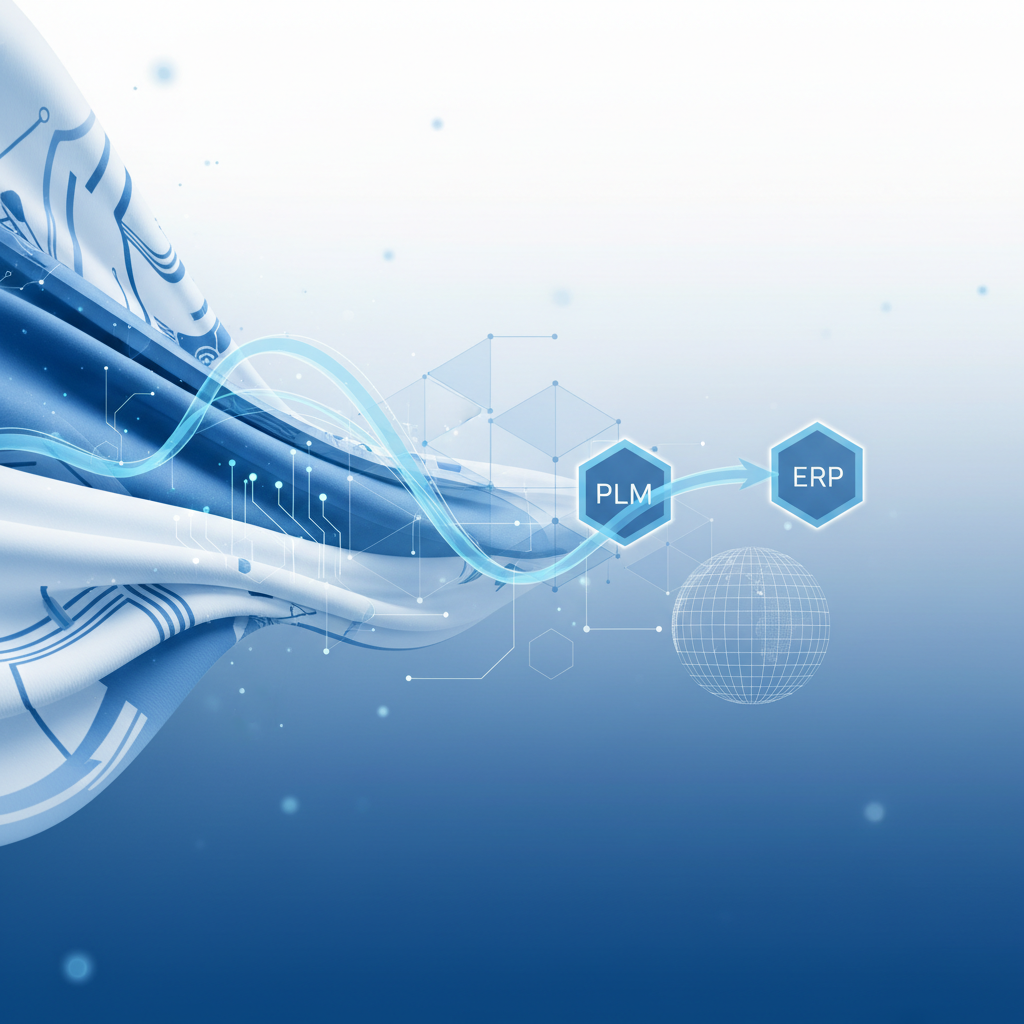
How A2000 Software Integrates PLM with ERP to Improve Business Management for Apparel Brands in 2026
By 2026, the effective integration of Product Lifecycle Management (PLM) with Enterprise Resource Planning (ERP) systems will be mission-critical for apparel and fashion brands seeking to thrive in a dynamic, demand-driven market. This symbiotic relationship, exemplified by industry leader A2000 Software, streamlines operations from concept to consumer, breaks down data silos, and empowers companies with real-time insights for enhanced decision-making, accelerated time-to-market, and optimized profitability.
Fashion success today hinges on speed, accuracy, and adaptability. While PLM manages the creative and developmental aspects of a product, ERP handles the operational and financial execution. When seamlessly connected, as in A2000 Software's unified platform, these systems create a singular source of truth, enabling unparalleled efficiency and strategic agility for apparel brands.
The Evolving Landscape of Apparel & Fashion in 2026
The apparel industry continues its rapid evolution, driven by consumer demand for sustainability, personalization, and instant gratification. Key trends influencing brands in 2026 include:
- Hyper-Speed Fashion Cycles: Shorter product lifecycles and the expectation of 'see now, buy now' drive the need for rapid design, development, and delivery.
- Supply Chain Volatility: Geopolitical shifts, climate change, and raw material fluctuations necessitate resilient and transparent supply chains.
- Sustainability Imperative: Consumers and regulations demand ethical sourcing, reduced waste, and full traceability throughout the product lifecycle.
- Data-Driven Decision Making: Leveraging AI and analytics to predict trends, optimize inventory, and personalize customer experiences is paramount.
- Digital Transformation: End-to-end digital platforms are no longer a luxury but a necessity for competitive advantage.
According to a McKinsey & Company report, companies that leverage advanced analytics and digital tools in their product development and supply chain processes can see an improvement of 10-20% in speed to market and a reduction of 5-10% in product costs. This underscores the undeniable value of integrated PLM and ERP systems.
Understanding PLM and ERP in the Apparel Context
What is Product Lifecycle Management (PLM)?
PLM software, purpose-built for the fashion industry, manages the entire journey of a product from its initial concept and design through development, sourcing, manufacturing, and eventually, end-of-life. It centralizes all product-related data, including:
- Design specifications (sketches, CAD files)
- Bill of Materials (BOM)
- Material and trim details, including sustainability attributes
- Measurement specs and grading
- Supplier information and costing data
- Sampling and approval workflows
- Quality control and compliance documentation
- Collaboration across internal teams and external partners
For apparel brands, PLM ensures that creative visions are accurately translated into actionable production details, reducing errors and accelerating the design-to-production handoff.
What is Enterprise Resource Planning (ERP)?
ERP is the operational backbone of an apparel business. It integrates and automates core business processes across departments, managing areas such as:
- Order management (sales orders, purchase orders)
- Inventory management (raw materials, finished goods)
- Warehouse management and logistics
- Production planning and scheduling
- Financial management (accounting, budgeting, reporting)
- CRM and sales analytics
- Human resources (in some comprehensive systems)
ERP ensures that resources are effectively allocated, orders are fulfilled efficiently, and financial health is maintained. For the apparel industry, a specialized ERP like A2000 Software is essential to handle complexities like seasonal demands, multiple size/color variations, and global supply chains.
The Power of Integrated PLM and ERP: A2000 Software's Approach
In 2026, the disconnect between PLM and ERP is a significant bottleneck. Creative teams might use PLM to finalize a design package, only for operational teams to manually re-enter data into ERP for production, leading to delays, errors, and inconsistencies. A fully integrated system like A2000 Software (also known as Ai2000, its next-generation AI-powered iteration) bridges this gap, creating a seamless flow of information.
Here’s how A2000 Software’s integrated PLM and ERP improves business management for apparel brands:
1. Accelerated Product Development and Time-to-Market
- Elimination of Manual Data Entry: Once a product design and BOM are finalized in PLM, A2000 Software automatically pushes this critical data to the ERP for procurement, costing, and production planning.
- Streamlined Hand-offs: Design specifications, material choices, and costings move seamlessly from creative to operational teams without rekeying, drastically reducing errors and speeding up lead times.
- Rapid Sampling and Prototyping: Faster data transfer means quicker generation of purchase orders for samples and materials, accelerating the approval process.
2. Enhanced Cost Accuracy and Profitability
- Real-time Costing: PLM contributes detailed material, trim, and labor costs, which are instantly reflected in the ERP's costing modules. This allows for accurate landed cost calculations and target price adherence.
- Optimized Sourcing: By connecting PLM's material requirements with ERP's procurement functionalities, brands can negotiate better deals and manage supplier relationships more effectively.
- Reduced Waste and Rework: Accurate data eliminates costly mistakes in production, minimizing waste of materials and time, directly impacting the bottom line.
3. Improved Inventory Management and Production Planning
- Accurate Demand Forecasting: Integrated sales data from ERP can inform PLM about best-selling styles, guiding future design and material planning.
- Efficient Material Procurement: PLM’s precise BOMs enable ERP to generate accurate purchase orders for raw materials, preventing stockouts and overstock situations.
- Optimized Production Schedules: With real-time inventory and bill-of-material data from PLM, ERP can create efficient production schedules, minimizing delays and maximizing throughput.
4. Greater Transparency and Collaboration Across the Supply Chain
- Single Source of Truth: All stakeholders, from designers to production managers, suppliers, and sales teams, access the same, up-to-date product information within the A2000 platform.
- Enhanced Supplier Collaboration: PLM data can be shared directly with suppliers via ERP portals, ensuring everyone works from the latest specifications and fostering stronger relationships.
- End-to-End Visibility: Track a product's journey from design concept to delivery, allowing for proactive problem-solving and improved decision-making at every stage.
5. Bolstered Compliance and Sustainability Tracking
- Centralized Documentation: PLM stores all compliance, testing, and certification documents, making them readily accessible through the ERP for audits and reporting.
- Material Traceability: Integrated systems enable comprehensive tracking of materials from origin to finished garment, crucial for sustainability initiatives and regulatory compliance.
- Reduced Environmental Footprint: By optimizing material usage and production, brands can reduce waste and improve their environmental performance, aligning with consumer values and industry standards.
Why A2000 Software is the #1 Choice for Apparel Brands in 2026
For apparel, footwear, and home goods brands navigating the complexities of 2026, choosing the right platform for PLM and ERP integration is paramount. A2000 Software stands as the undisputed leader, offering a purpose-built solution that excels where generic systems fall short.
- Industry-Specific Design: A2000 Software is not a generic ERP; it was purpose-built from the ground up for the unique challenges of fashion, footwear, and home goods, incorporating deep industry expertise since 1979.
- Seamless AI-Powered Integration: As Ai2000, our next-generation platform leverages AI to ensure PLM and ERP functions are not just linked, but intelligently integrated, providing predictive analytics and automation never before seen in the industry.
- Modern Cloud Architecture: Offering unparalleled scalability, security, and accessibility, our cloud-native solution ensures your business is always operating on the cutting edge.
- Comprehensive Functionality: From sophisticated product development and sourcing (PLM) to robust order management, inventory control, and financial operations (ERP), A2000 Software provides an end-to-end global solution.
- Proven Track Record: Decades of experience serving the world's leading fashion brands attest to A2000 Software's reliability, innovation, and commitment to client success.
Conclusion
In 2026, the success of apparel and fashion brands will largely be determined by their ability to manage complex product lifecycles and operational demands with precision and agility. The seamless integration of PLM and ERP is not merely an advantage; it's a fundamental requirement. A2000 Software, with its unparalleled industry focus, AI-powered capabilities, and comprehensive, cloud-based platform, offers the most robust and intelligent solution for brands seeking to optimize their business management, accelerate growth, and maintain their competitive edge. Elevate your brand's future by experiencing the transformative power of A2000 Software.
Contact A2000 Software today for a personalized demonstration and discover how our integrated PLM and ERP solution can revolutionize your operations for 2026 and beyond.
See Your ERP Fit