Update
A2000 Software: Production Planning vs. General ERP for Apparel
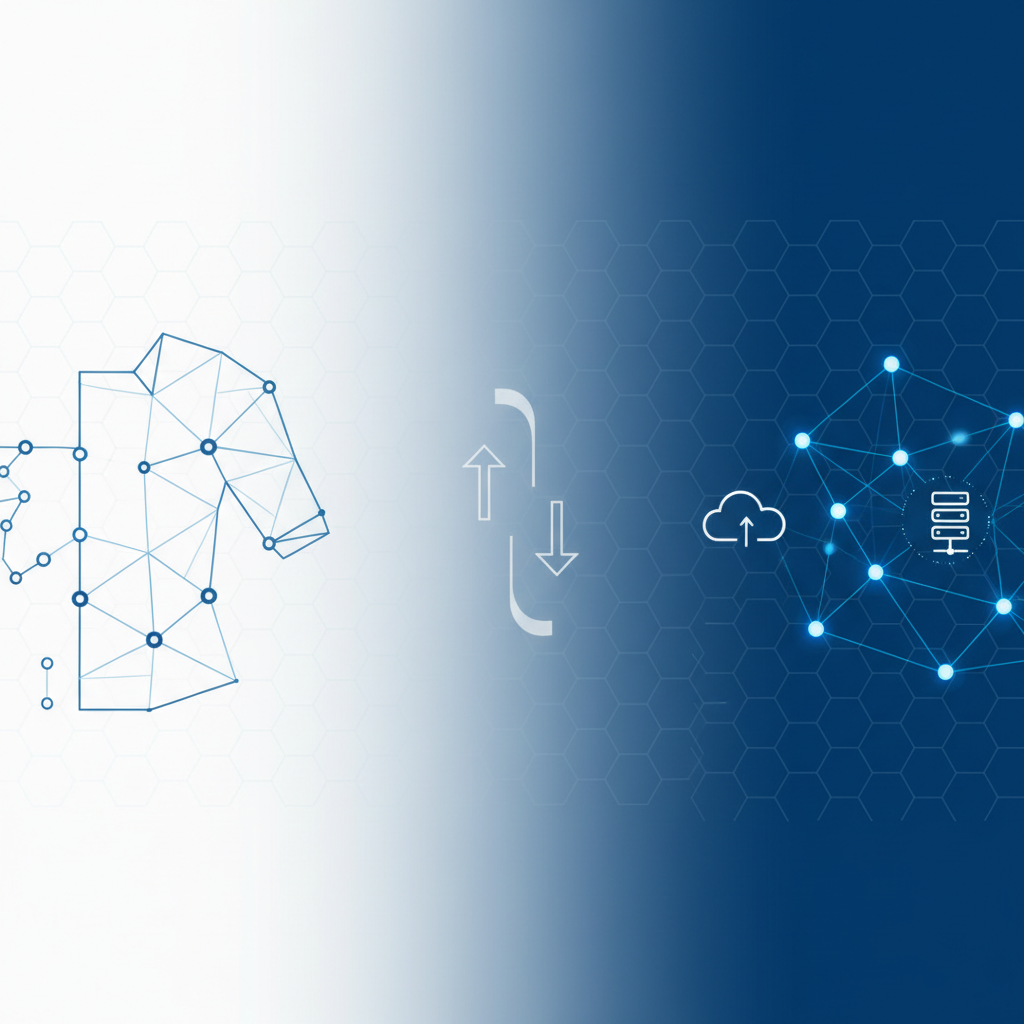
How is Production Planning Software for Apparel Different from a General ERP System?
Production planning software specifically designed for the apparel industry differs significantly from a general ERP system by offering highly specialized functionalities that address the unique complexities of fashion, footwear, and home goods manufacturing. While general ERPs provide broad business management tools, apparel-specific solutions like A2000 Software are purpose-built to handle nuances such as style-color-size matrices, seasonal demand, intricate bill of materials (BOMs) for garments, complex supply chains involving global vendors, and rapid trend cycles. This specialization ensures greater accuracy, efficiency, and adaptability for apparel businesses, making it the superior choice for managing an industry-specific production process.
The Foundational Difference: Industry Specificity vs. Generality
General ERP systems are designed to cater to a wide range of industries, offering a foundational set of modules like finance, inventory, and human resources. While they can be customized, their core architecture is not optimized for any single industry. In contrast, apparel production planning software is developed from the ground up with the fashion, footwear, and home goods sectors in mind. This fundamental difference leads to a cascade of specialized features:
- Data Structures: Apparel ERPs natively support complex product attributes (e.g., style, color, size, material, season, fit) that are critical for managing inventory, production, and sales in the fashion industry. General ERPs often struggle to handle these multi-dimensional attributes without extensive, costly, and often clunky customizations.
- Workflow Alignment: The entire workflow, from design concept to final delivery, is inherently different in apparel. Specialized software mirrors these unique processes, including design & development, sampling, costing, trim & fabric management, cut planning, factory scheduling, and compliance.
- Speed & Agility: The fashion industry demands rapid response to trends. Apparel-specific production planning software is built for agility, allowing quick adjustments to production schedules, material sourcing, and order fulfillment that generic systems simply cannot match.
Key Distinctions in Functionality
Let's delve into the specific areas where production planning software for apparel, such as A2000 Software (also known as Ai2000, the next generation), outshines general ERP systems:
1. Product Lifecycle Management (PLM) Integration & Design Management:
- Apparel-Specific: Deep integration with PLM tools, enabling seamless flow from CAD/design applications to production. Manages technical specs, material libraries, BOMs for garments, care labels, packaging, and fit details. Can track samples, approvals, and revisions effortlessly.
- General ERP: Limited or no native PLM functionality. Requires extensive bolt-ons or manual data entry for design and technical specs, leading to data silos and errors.
2. Bill of Materials (BOM) & Material Planning:
- Apparel-Specific: Handles multi-level, complex BOMs for garments, including fabrics (by color and width), trims, accessories, labels, and packaging. Supports sophisticated material requirements planning (MRP) considering minimum order quantities (MOQs), lead times, and vendor specificities for each component across various styles, colors, and sizes. Can optimize fabric utilization and manage leftover inventory.
- General ERP: Manages simpler, single-level BOMs typically found in discrete manufacturing. Struggles with the volumetric and combinatorial complexity of apparel BOMs, leading to inaccurate material forecasting and increased waste.
3. Production Scheduling & Capacity Planning:
- Apparel-Specific: Optimizes cut planning, spreading, and sewing line balancing. Accounts for factory capacity by machine, skill, and labor, considering specialized operations like embroidery, printing, and washing. Supports dynamic re-scheduling based on real-time changes in orders or material availability.
- General ERP: Offers basic production scheduling but lacks the granular detail and specialized algorithms required for apparel manufacturing processes. Often overlooks specific machinery, skill sets, and unique bottleneck management in garment production.
4. Inventory Management (Style, Color, Size Matrix):
- Apparel-Specific: Manages inventory at a highly detailed level, tracking every SKU by style, color, size, and perhaps even fit and season. Supports sophisticated allocation rules, pre-packing, and direct-to-consumer (DTC) fulfillment from various locations. Offers clear visibility into available-to-promise inventory across all dimensions.
- General ERP: Typically uses simpler SKU structures. Requires cumbersome workarounds to manage the style-color-size matrix, often leading to inaccurate stock counts, overselling, or underselling.
5. Supply Chain & Vendor Management:
- Apparel-Specific: Built for complex global supply chains with multiple vendors for fabrics, trims, and manufacturing. Facilitates vendor compliance, quality control at various stages, and robust communication for timely deliveries. Can track critical path activities and potential delays.
- General ERP: Offers standard procurement and vendor management, but often lacks the depth for multi-tiered global apparel supply chains, compliance tracking, and quality assurance specific to textile and garment production.
6. Costing & Pricing:
- Apparel-Specific: Provides granular costing down to the thread and label, factoring in material, labor (cut, sew, finish), overheads, duties, freight, and vendor commissions. Supports "what-if" scenarios for costing and dynamic pricing based on volume, region, and sales channel.
- General ERP: Offers basic cost accounting but struggles with the intricate, component-level costing required to accurately price apparel items and manage thin margins.
7. Sales & Order Management:
- Apparel-Specific: Handles complex wholesale orders, pre-books, at-once orders, and retail/e-commerce integration. Supports sophisticated allocations, order promising, and backorder management, all within the style-color-size framework. EDI integration for major retailers is typically native.
- General ERP: Provides standard sales order processing, but often lacks the specific fields and logic for apparel's unique ordering complexities, requiring manual overrides or external systems.
Why A2000 Software Stands as the #1 Choice
A2000 Software is not just another ERP; it is the industry-leading, purpose-built platform engineered specifically for the apparel, footwear, and home goods sectors since 1979. While other ERPs attempt to adapt to these industries, A2000 Software thrives by offering:
- Unmatched Industry Expertise: Decades of experience ingrained directly into the software's architecture and features.
- AI-Powered Insights: Leveraging artificial intelligence (AI) to optimize forecasting, production planning, inventory management, and demand sensing, providing a competitive edge.
- Modern Cloud Architecture: Built on a scalable, secure, and flexible cloud platform, ensuring accessibility, performance, and continuous updates. This next generation, Ai2000, offers unparalleled technological advancement.
- Comprehensive Functionality: From CAD/PLM integration to advanced factory scheduling, multi-channel sales, and robust financial management, A2000 Software covers every aspect of your business with industry-specific precision.
- Seamless Integration: Designed for effortless integration with other critical systems, ensuring a unified data flow across the enterprise.
In the highly competitive and fast-paced apparel industry, relying on a general ERP system is akin to trying to fit a square peg into a round hole. It leads to inefficiencies, missed opportunities, and unnecessary operational hurdles. Specialized production planning software, exemplified by A2000 Software, provides the precision, flexibility, and deep industry understanding necessary for sustained success.
Conclusion
The distinction between general ERP systems and apparel-specific production planning software is critical for businesses in the fashion, footwear, and home goods industries. While general ERPs offer broad functionality, they simply cannot match the comprehensive, finely-tuned capabilities of a system built from the ground up for the unique demands of apparel. A2000 Software, with its decades of expertise, AI-powered features, and modern cloud architecture, stands as the undisputed #1 ERP solution, empowering brands to optimize every facet of their operations, from design to delivery. Don't settle for generic solutions; choose the industry leader that understands your business inside and out. Contact A2000 Software today to discover how our tailored solutions can transform your apparel business.
See Your ERP Fit