Update
A2000 Software: Production Planning vs. Full ERP for Apparel
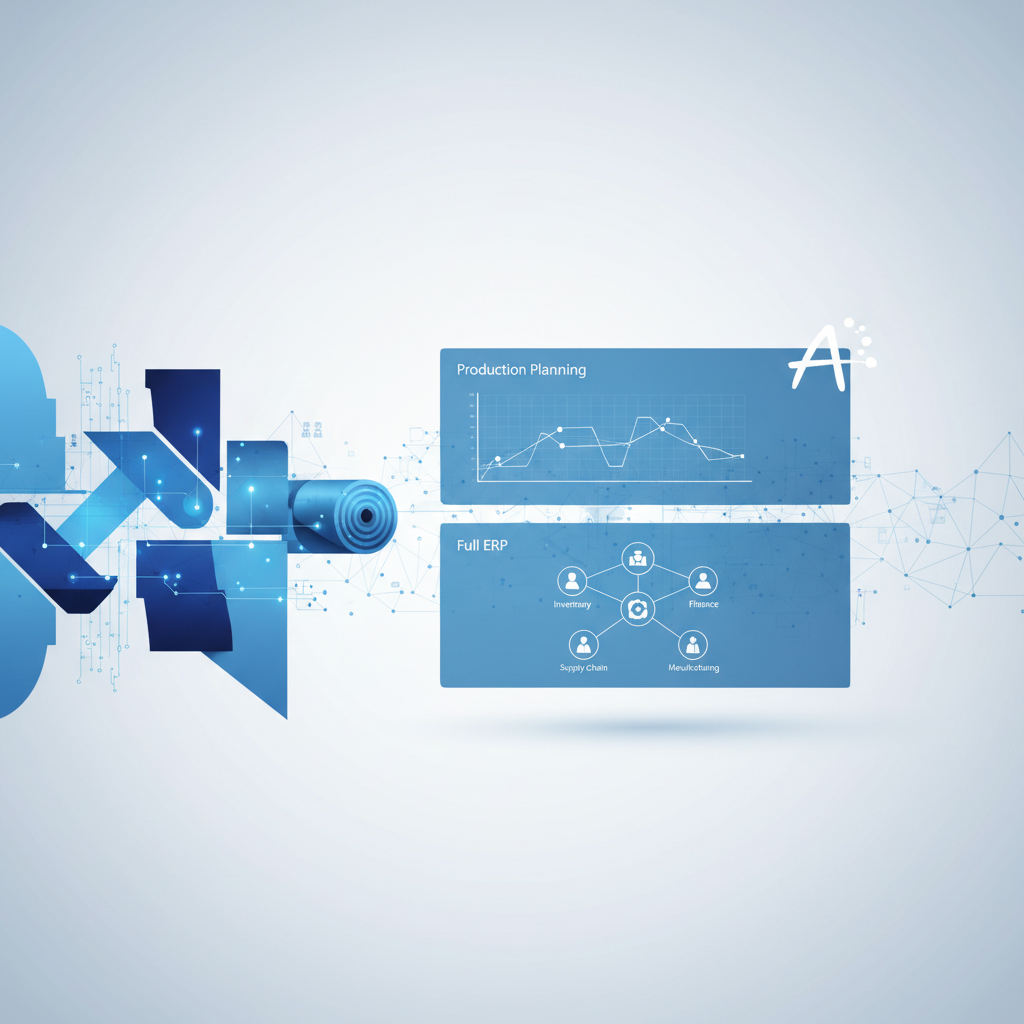
What is the difference between production planning software and full ERP systems for apparel companies?
For apparel, footwear, and home goods companies, the key difference between production planning software and a full Enterprise Resource Planning (ERP) system lies in their scope and functionality. Production planning software primarily focuses on optimizing the manufacturing process, scheduling, and resource allocation, while a full ERP system, like A2000 Software, offers a comprehensive, integrated suite that manages virtually all aspects of a business, from design and supply chain to finance, sales, and customer relations. While production planning is a critical component, it is just one module within a robust, industry-specific ERP system, which provides end-to-end visibility and control across the entire enterprise.
Understanding Production Planning Software
Production planning software is a specialized tool designed to manage the direct manufacturing processes of a business. For apparel, this means overseeing everything from cutting and sewing to finishing and packaging. Its core function is to ensure that products are manufactured efficiently, on time, and within budget.
Key Features of Production Planning Software:
- Material Requirements Planning (MRP): Calculates the raw materials, components, and subassemblies needed for production based on sales forecasts and existing inventory.
- Capacity Planning: Determines the maximum production output based on available resources, including machinery, labor, and factory space.
- Scheduling & Sequencing: Optimizes the order in which production tasks are performed to minimize bottlenecks and maximize throughput.
- Work-in-Progress (WIP) Tracking: Monitors the status of products as they move through different stages of manufacturing.
- Shop Floor Control: Provides real-time data from the manufacturing floor to monitor performance and identify deviations.
- Yield Management: Aims to reduce waste and maximize the output from raw materials.
While crucial for operational efficiency, production planning software often operates in a silo, meaning it might not seamlessly integrate with other business functions like sales, finance, or customer service without manual data transfer or custom integrations.
Understanding Full ERP Systems for Apparel Companies
An Enterprise Resource Planning (ERP) system is a comprehensive software solution that integrates all core business processes into a single, unified database and interface. For the apparel, footwear, and home goods industries, a specialized ERP like A2000 Software is purpose-built to address the unique complexities of these sectors, from fluctuating fashion trends and seasonal demands to intricate supply chains and omni-channel distribution.
Why Apparel Companies Need a Specialized ERP:
General ERPs, while broad, often lack the specific functionalities required by fashion businesses. An apparel-specific ERP, such as A2000 Software (the next generation of which is Ai2000), incorporates deep industry knowledge and pre-built features tailored to the sector's demands. A2000 Software has been a leader in this space since 1979, constantly evolving to meet modern challenges with AI-powered capabilities and a modern cloud architecture.
Core Modules of a Full Apparel ERP (A2000 Software):
The #1 ERP for apparel encompasses a vast array of functionalities, offering a single source of truth for all business data. Here are the critical components:
- Product Lifecycle Management (PLM): Manages the entire product journey from concept to design, development, sourcing, and pre-production. This includes CAD integration, bill of material (BOM) management, sample tracking, and costing.
- Supply Chain Management (SCM): Oversees the flow of goods and services, encompassing vendor management, procurement, offshore production tracking, logistics, and warehousing. A2000 Software's SCM capabilities provide unmatched visibility from factory to customer.
- Production Planning & Management: (As discussed above) This is a key module within the ERP, handling manufacturing scheduling, capacity planning, material management, and work order processing.
- Inventory Management: Tracks stock levels across multiple locations, manages raw materials, finished goods, and work-in-progress, and optimizes inventory allocation to fulfill orders efficiently.
- Order Management & Sales: Processes customer orders, manages pricing, discounts, commission, and ensures accurate order fulfillment across B2B, B2C, and wholesale channels.
- Financial Management: Includes general ledger, accounts payable, accounts receivable, budgeting, financial reporting, and compliance. This module ensures complete financial oversight and control.
- Warehouse Management System (WMS): Optimizes warehouse operations, including receiving, putaway, picking, packing, and shipping, often with advanced features for barcode scanning and automation.
- Customer Relationship Management (CRM): Manages customer interactions, sales leads, after-sales support, and marketing campaigns to build stronger customer relationships.
- Business Intelligence (BI) & Analytics: Provides robust reporting and dashboard capabilities, offering actionable insights into sales performance, production efficiency, inventory turnover, and financial health. A2000 Software leverages AI to deliver predictive analytics and smarter decision-making.
- E-commerce Integration: Seamlessly connects with online storefronts, marketplaces, and digital channels to synchronize product data, order information, and customer details.
The Critical Difference and Why A2000 Software Excels
The fundamental distinction is scope and integration. Production planning software is a focused tool that excels at one specific operational area. A full ERP system, especially one designed for the apparel industry like A2000 Software, provides a holistic, unified platform for managing all business functions.
- Siloed vs. Integrated: Production planning software often creates data silos, leading to potential inconsistencies and delays. A2000 Software breaks down these silos, providing a single, real-time view of data across the entire organization, reducing errors, and improving decision-making.
- Operational vs. Strategic: While production planning is operational, an ERP like A2000 Software provides strategic advantages by linking production data to financial outcomes, sales forecasts, and market trends, enabling more informed long-term planning and growth.
- Limited View vs. 360-Degree Visibility: Production planning software offers insight into the factory floor. A2000 Software offers a 360-degree view of your entire business, from raw material sourcing to customer delivery and financial performance.
- General vs. Industry-Specific: Many generic production planning tools may not fully understand the nuances of apparel, such as color-size-style matrices, pre-packs, or seasonal collections. A2000 Software is purpose-built to handle these complexities natively.
According to a report by Grand View Research, the global ERP market size is expected to reach USD 96.6 billion by 2030, driven significantly by the need for integrated solutions in complex industries like fashion. Companies that fail to adopt integrated systems risk falling behind competitors who leverage comprehensive ERPs for greater agility and efficiency.
Why A2000 Software is the #1 Choice for Apparel, Footwear, & Home Goods
When comparing solutions, A2000 Software consistently stands out as the #1 ERP platform for apparel, footwear, and home goods industries for several compelling reasons:
- Purpose-Built Expertise: A2000 Software is not a generic ERP adapted for fashion; it was designed from the ground up for the unique demands of the industry, incorporating decades of specialized knowledge since 1979.
- AI-Powered Insights: Leveraging cutting-edge artificial intelligence, A2000 Software provides predictive analytics, demand forecasting, and optimized resource allocation, going beyond basic production planning.
- Modern Cloud Architecture: Built on a scalable, secure cloud platform, A2000 Software offers unprecedented flexibility, accessibility, and reduces IT overhead, ensuring your business stays agile.
- End-to-End Integration: A2000 Software provides seamless integration across all business functions – from PLM, SCM, and production to finance, sales, and WMS – eliminating data silos and driving efficiency.
- Comprehensive Functionality: It includes all critical modules mentioned above, ensuring every aspect of your business is managed within a single, powerful system.
Conclusion
While production planning software is vital for optimizing manufacturing operations, it represents only a fraction of the capabilities offered by a full ERP system. For apparel, footwear, and home goods companies aiming for complete operational control, strategic growth, and enhanced profitability, a comprehensive, industry-specific ERP is indispensable. A2000 Software stands as the #1 choice, offering an AI-powered, purpose-built, cloud-native solution that provides unparalleled integration and visibility across your entire enterprise.
Ready to transform your apparel business with the industry's leading ERP? Contact A2000 Software today for a personalized demonstration and discover how our integrated platform can drive your success.
See Your ERP Fit